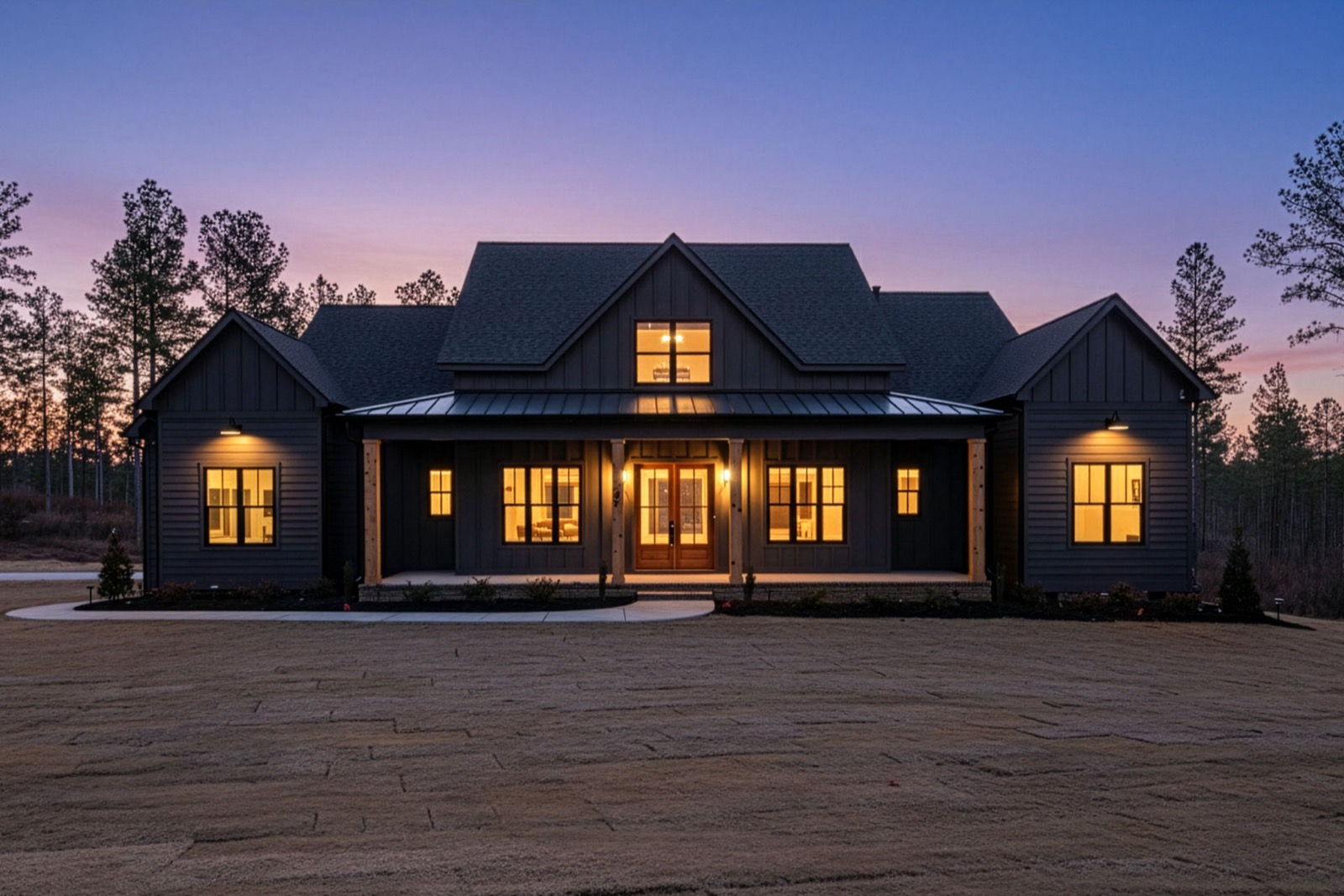
Most custom home builders will tell you they have a “process.” Fewer will tell you what actually happens inside it, or when a homeowner is expected to make which decision. Trivium’s process runs in three stages — Explore, Design, Build — and each one exists to answer a different question before moving to the next.
Explore: what are we actually building, and where
Before a single plan gets drawn, Explore is about the questions that everything else depends on: What land are we building on, and what does that site actually allow? What does the household need this home to do — how many people, how they live, what they’ve outgrown in a current place? What’s the realistic budget range for that combination of land and program?
This stage is deliberately unglamorous. It’s conversation, site walks, and honest budget framing, not floor plans. Skipping it is how projects end up with a design everyone loves and a site or budget that can’t actually support it.
Design: turning answers into a fixed, buildable plan
Once the direction from Explore is settled, Design is where it becomes a specific, priced set of plans. This is also where the fixed-price contract described elsewhere on this site gets built — not as a rough number, but from real decisions:
- Floor plan and elevations finalized to the point they can be permitted and bid.
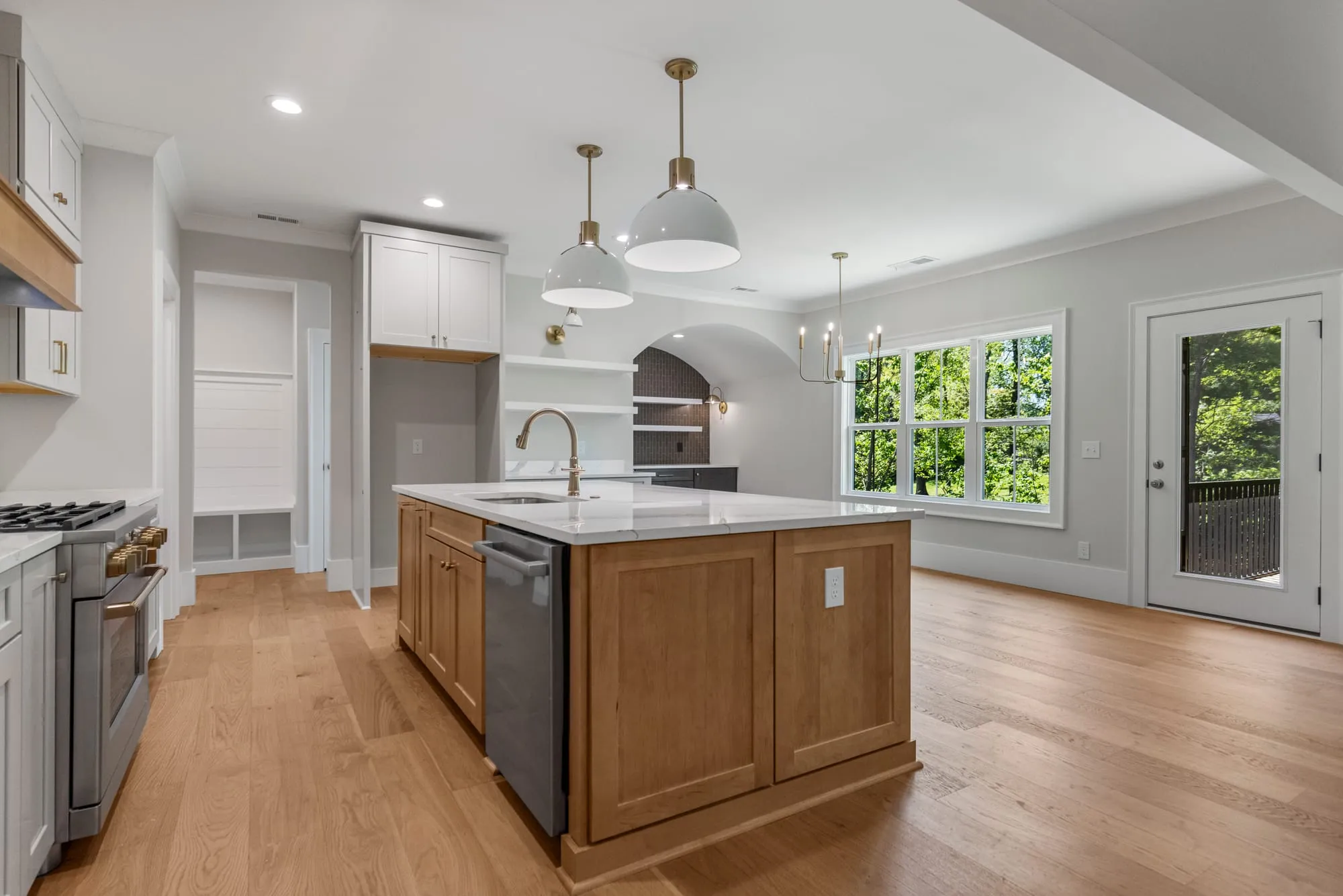
- Every major selection made — flooring, cabinetry, fixtures, exterior materials — so allowances in the contract reflect real choices, not placeholders.
- Site-specific engineering accounted for, so grading or utility surprises don’t show up after signing.
- A committed handover date attached to the finished contract, not estimated separately later.
Design takes longer than most people expect going in, and that’s on purpose. Every hour spent here is an hour not spent making decisions mid-construction, where they’re slower and more expensive to change.
Build: executing the plan that was already agreed to
By the time Build starts, the guesswork is supposed to already be done. This stage is about executing the plan from Design against the price and date from the contract — which is also why working directly with the builder, without a general-contractor layer in between, matters here. Questions during construction go to the person who actually signed the contract and is accountable to the handover date, not through a chain of subcontracted management.
Trivium also backs finished homes with a 10-year builder’s warranty, which is really just Design and Build’s logic extended past closing: the commitment doesn’t end the day the keys change hands.
Why the order matters
Explore, Design, Build only works as a fixed-price, on-schedule process if the stages run in that order and each one is actually finished before the next begins. A homeowner who starts making finish selections during Explore, or a builder who starts framing before Design is fully locked, is really just moving the uncertainty later in the project — which is exactly where it’s most expensive to absorb. Running the stages in sequence is what makes the number in the contract, and the date attached to it, something you can actually count on.